
Transdermal Peptide Patches: Glutathione, NAD and Copper Peptide Delivery
Truth Rating

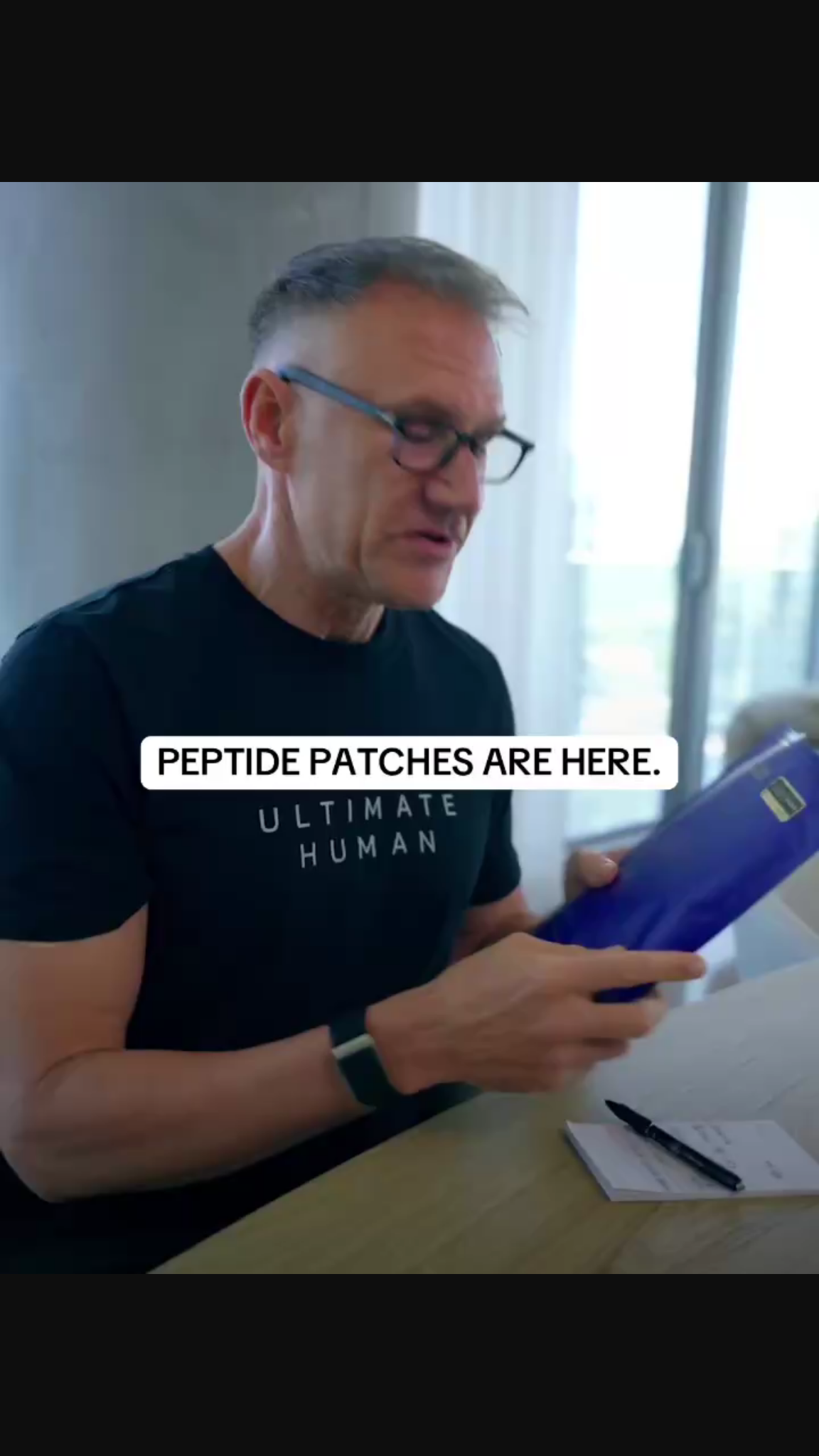
Claims that over-the-counter patches systemically deliver BPC-157 and glutathione are clinically unproven and medically risky.
Claims that over-the-counter patches systemically deliver BPC-157 and glutathione are clinically unproven and medically risky.
- Patching over the science? 🩹 Why transdermal peptide claims might just be skin deep.
- FDA red flags! 🚩 Why experimental peptides like BPC-157 shouldn't be in your daily wellness routine.
- •Patching over the science? 🩹 Why transdermal peptide claims might just be skin deep.
- •FDA red flags! 🚩 Why experimental peptides like BPC-157 shouldn't be in your daily wellness routine.
Claim Breakdown:
📝 Fact Check: Transdermal delivery (absorbing through the skin) of large, water-soluble molecules like glutathione is biologically extremely difficult. The skin's primary job is to act as a protective barrier (via the stratum corneum). Without highly specialized, clinically proven carrier systems, it is highly unlikely that over-the-counter wellness patches can significantly increase glutathione levels in the human bloodstream. 🛑 Currently, there are no robust, peer-reviewed human trials supporting these specific OTC patches as an effective systemic delivery method comparable to intravenous (IV) drips.

Fact Check Date: 31st March 2026
IMPORTANT WARNING
Disclaimer: This tool provides general informational content and is not a substitute for personalised, professional advice.