
Kei a koe te taha maui, te taha matau ranei o te roro? Tirohia to haurua rangatira
Whakatauranga Pono
Kua whakakorea
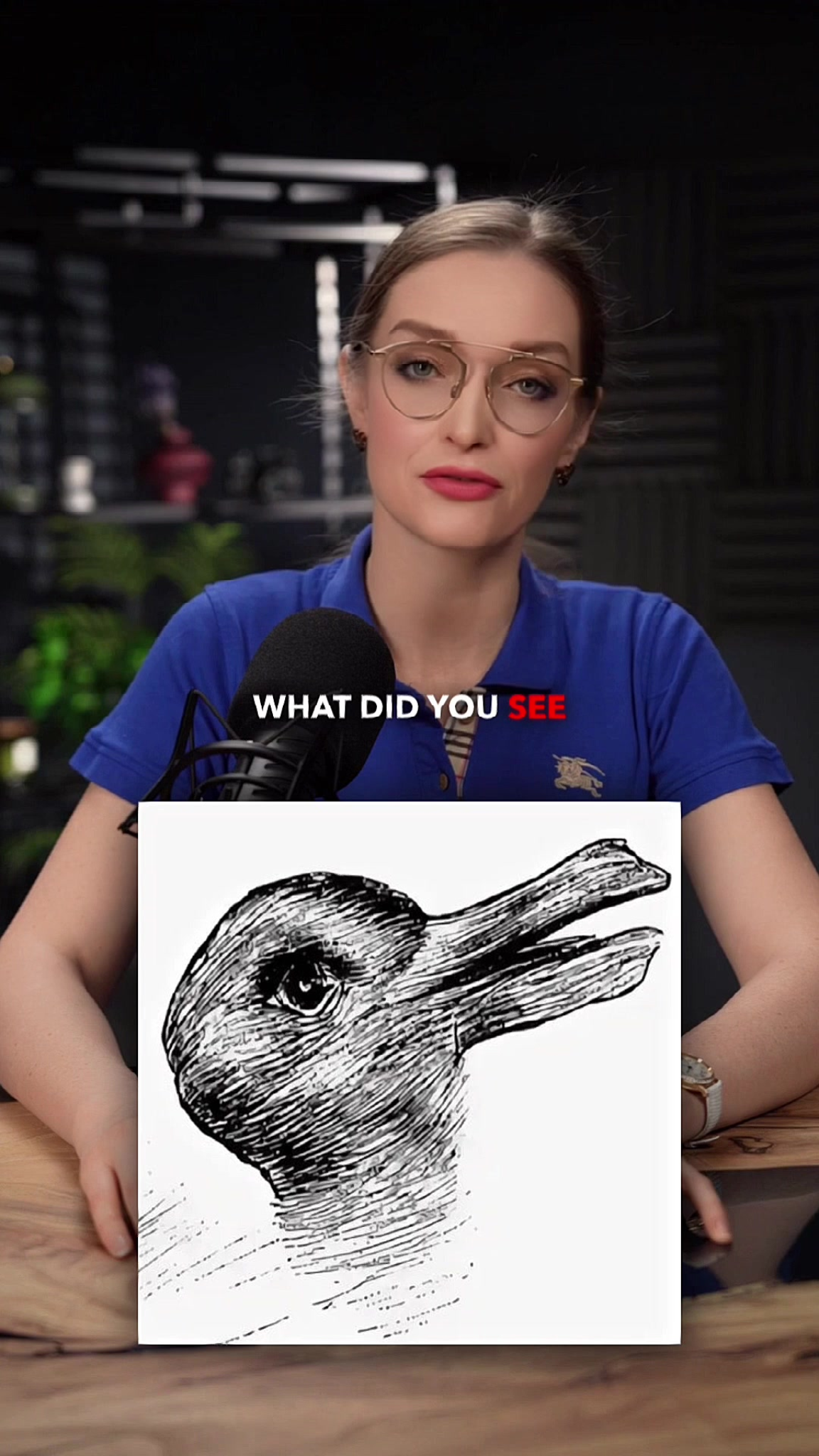
Ko te whakaaro ko te whakaaturanga o te rorirori me te rapeti e whakaatu ana i te rangatiratanga o te roro maui, matau ranei he korero teka hou.
Ko te whakaaro ko te whakaaturanga o te rorirori me te rapeti e whakaatu ana i te rangatiratanga o te roro maui, matau ranei he korero teka hou.
🔥Tangohia Wera:
- Ehara i te mea ko to roro te rangatira 'maui' me te 'matau'—he korero teka tonu tera mai i te rautau 19! 🧠❌
- Ko te kite i te rorirori, i te rapeti ranei i te tuatahi ka tohu noa kei te mahi o kanohi, ehara i te mea he tohunga pangarau ngaro koe. 🦆🐇
🔥Tangohia Wera:
- •Ehara i te mea ko to roro te rangatira 'maui' me te 'matau'—he korero teka tonu tera mai i te rautau 19! 🧠❌
- •Ko te kite i te rorirori, i te rapeti ranei i te tuatahi ka tohu noa kei te mahi o kanohi, ehara i te mea he tohunga pangarau ngaro koe. 🦆🐇
Wehewehenga Kereme:
📝 Tirotiro i ngā Meka: The popular idea that you are 'left-brained' (logical) or 'right-brained' (creative) is a famous myth entirely debunked by modern neuroscience. Both hemispheres of your brain are highly connected and actively work together for complex tasks like math or logic. The duck-rabbit illustration, originally popularized by psychologist Joseph Jastrow in 1899, is historically used to test perceptual ambiguity and 'Gestalt switching' (how your brain perceives images), not which side of your brain is in charge. 🧠✨

Te Rā o te Tirotiro i ngā Meka: 2 Āpereira 2026
WHAKATŪPATO HIRANGA
Whakakape: He mōhiohio whānui tēnei taputapu, ehara i te mea hei whakakapi mō ngā tohutohu ngaio whaiaro.
Recent BS Checks